A gentle, step-by-step phonics blog with simple activities, clear explanations, and practical ways to support your child’s reading at home.
Why Phonics Matters: A Parent’s Guide to Early Reading Success – Week 1
If your child is in Nursery or Reception, you’ve probably heard the word phonics a lot. But what exactly is it,
What Are Phase 1 Phonics Skills? A Parent’s Guide to Getting Started with 7 Fun Activities – Week 2
Phase 1 develops your child’s listening, speaking, and sound discrimination skills.
7 Everyday Listening Games to Build Phase 1 Phonics Skills at Home – Week 3
Before your child can read words, they need to tune in to sounds
Have Fun with Environmental Sounds at Home – Week 4
Environmental sounds are the everyday noises all around us
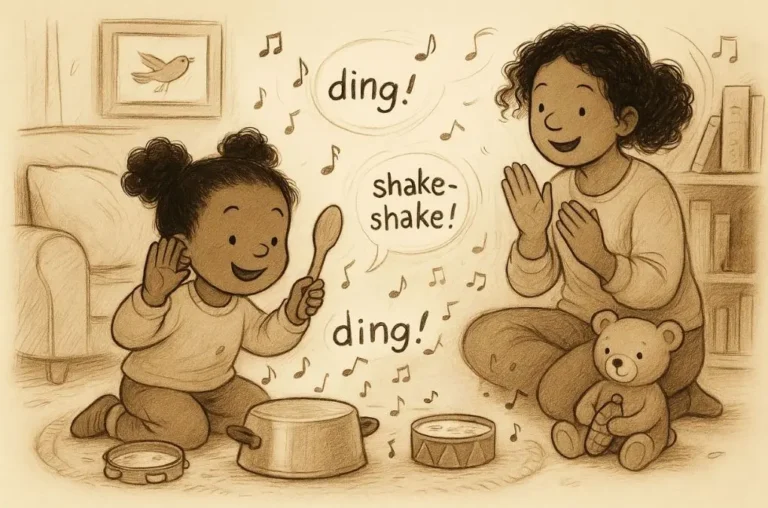
Musical Play for Phonics: Exploring Instrumental Sounds at Home – Week 5
If your child loves banging on a saucepan with a wooden spoon — great news: they’re doing phonics.
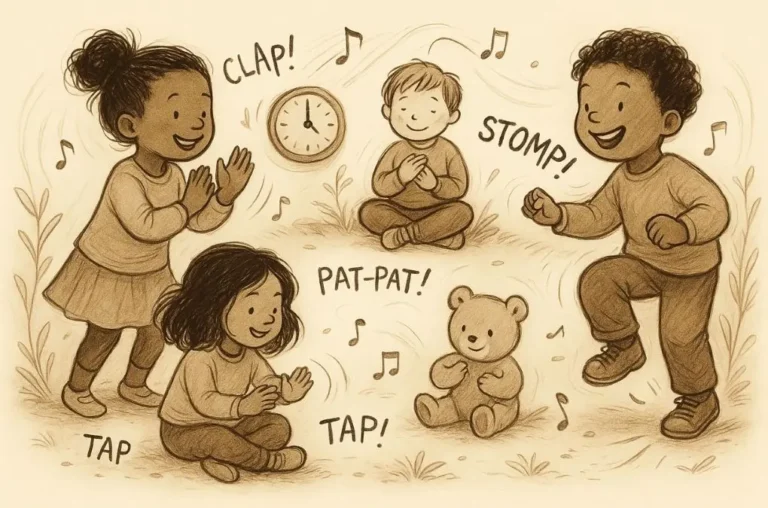
Clap, Tap, Stomp: Body Percussion Games for Early Reading Skills – Week 6
We’re talking practical, energetic, joy-filled activities—lots of movement, lots of noise, and heaps of laughter.
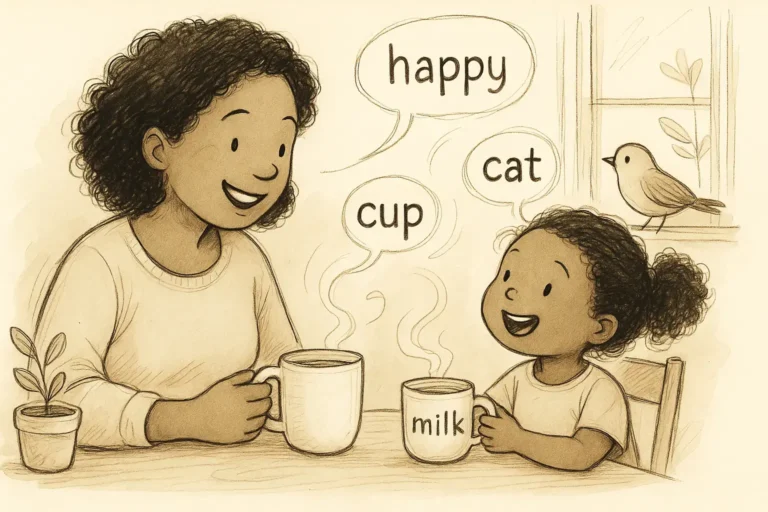
Talking and Listening: Build Your Child’s Vocabulary Through Everyday Chat – Week 7
If you’ve ever worried you’re not “doing enough” to help your child learn to read — stop right there.
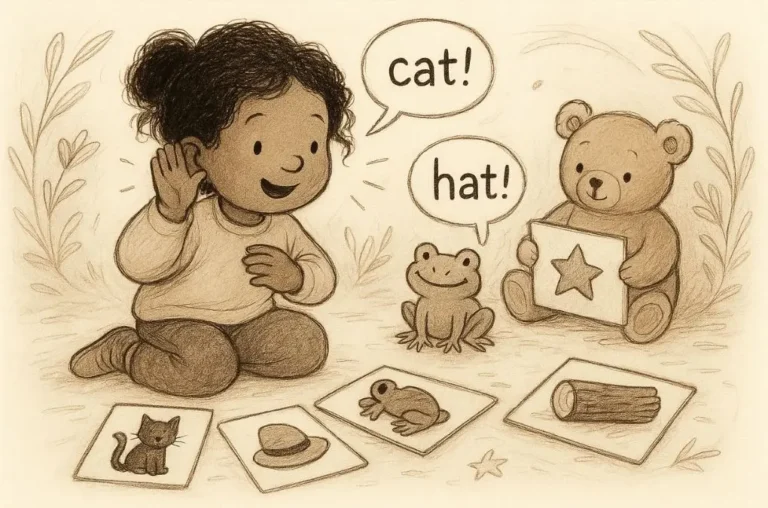
Rhyme Time: Simple Ways to Build Early Phonics Through Rhyming Play – Week 8
Rhyme isn’t just fun or cute or a nice bedtime read—it’s also a brilliant tool for phonics
Silly Sound Games: Try Alliteration Play for Early Reading Skills – Week 9
If your child thinks silly sausages sizzle on Saturdays is the funniest thing ever — you’re on to something.
Fun with Voice Sounds: Explore Phase 1 Phonics Through Playful Speaking – Week 10
Explore the different ways we can make sounds with our voices — from whispering and humming to stretching and bouncing sounds in fun, playful ways.
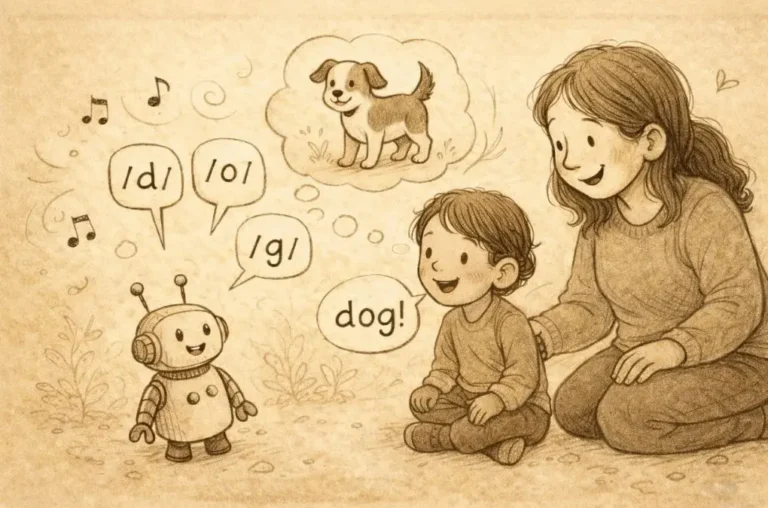
Blending Sounds into Words: Early Reading Practice Made Simple – Week 11
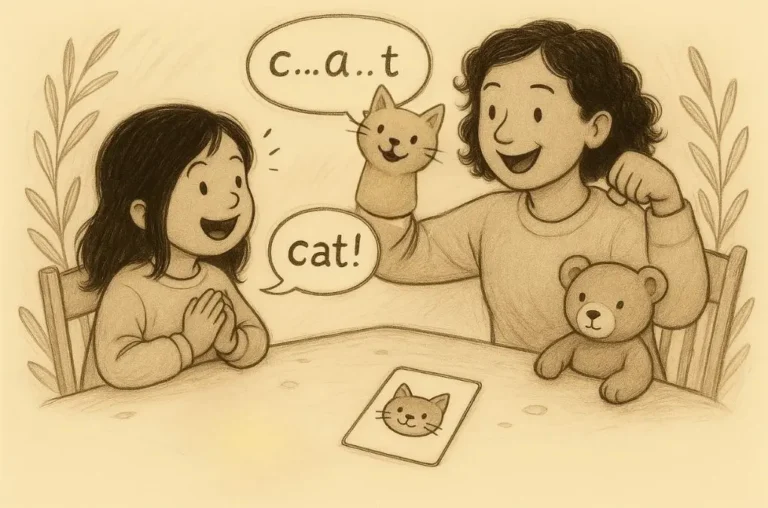
This week, we’re working on oral blending—which simply means helping your child hear separate sounds and push them together into a whole word.
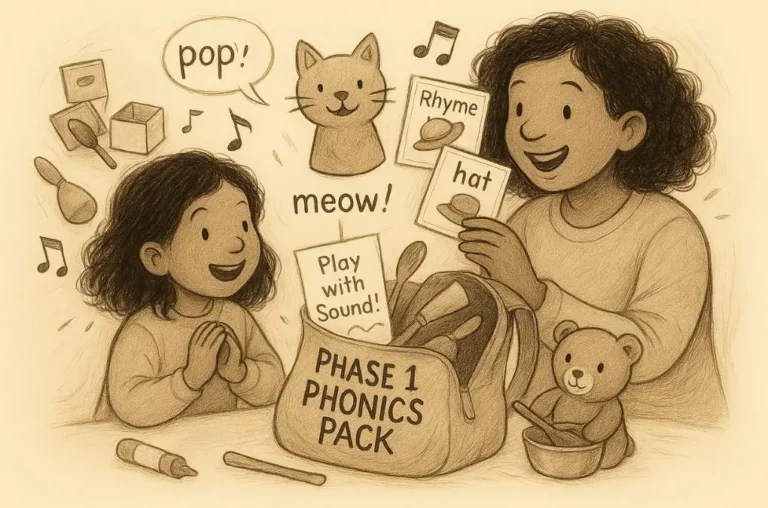
Free Phase 1 Phonics Pack: Fun, Simple Activities You Can Try This Week – Week 12
It might not look like “learning to read” yet, but Phase 1 Phonics is honestly one of the most important stages in the reading journey.
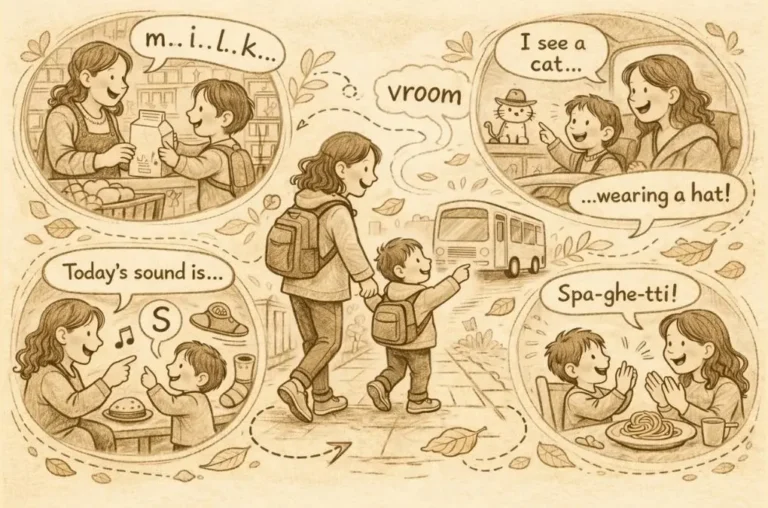
Phonics on the Go: Real-Life Games That Combine Listening, Rhythm & Blending – Week 13
This week’s post is all about making phonics work for your day, whether you’re getting out the door, doing the food shop, or stuck in traffic.
Phonological Awareness vs Phonics: Why Phase 1 Phonics Matters for Your Child – Week 14
Phonological awareness = ears.
Phonics = ears + eyes.
First children learn to hear the sounds.
Then they connect those sounds to letters.
Both are important — they just happen in that order.What Is Oral Blending (And Why Is It So Important Before Letter Sounds?) – Week 15
If they’ve already practised blending spoken sounds, the letter version feels much easier.
Without oral blending, reading can feel like guessing.
With it, reading feels like decoding.“Am I Doing Enough?” — Common Phase 1 Phonics Worries (And a Gentler Way to Think About It) – Week 16
A lot of parents quietly wonder:
“Am I doing enough?”
I know I did. Many times.Moving from Phase 1 to Letter Sounds: What the Transition Really Looks Like – Week 17
The listening skills your child has been building start to connect with letters.
That’s all.
The foundation stays — we just add the next layer.