“Am I Doing Enough?” — Common Phase 1 Phonics Worries (And a Gentler Way to Think About It) – Week 16
Hello phonics friends! 👋
Can I start with something that doesn’t get said out loud very often?
A lot of parents quietly wonder:
“Am I doing enough?”
I know I did. Many times.
It might pop into your head when:
- another parent mentions what their child can read
- you see a post in a WhatsApp group about phonics
- your child brings something home from nursery
- or you realise you haven’t done anything “phonics-related” that day… or week.
And suddenly it feels like there’s something you should be doing… but you’re not quite sure what.
If that sounds familiar, you’re definitely not alone.
So this week isn’t about learning a new phonics skill.
It’s about gently stepping back and looking at some of the most common worries parents have during Phase 1 — and what actually matters most.
- Greetings from Grace
- Why phonics looks like play (and why that matters)
- “Other children seem ahead” — what’s really normal
- Do you need to do phonics every day?
- What if you’re not doing it “right”?
- A gentler way to measure progress
- One simple thing to try this week
- FAQs about Phase 1 phonics
“It just feels like playing…”
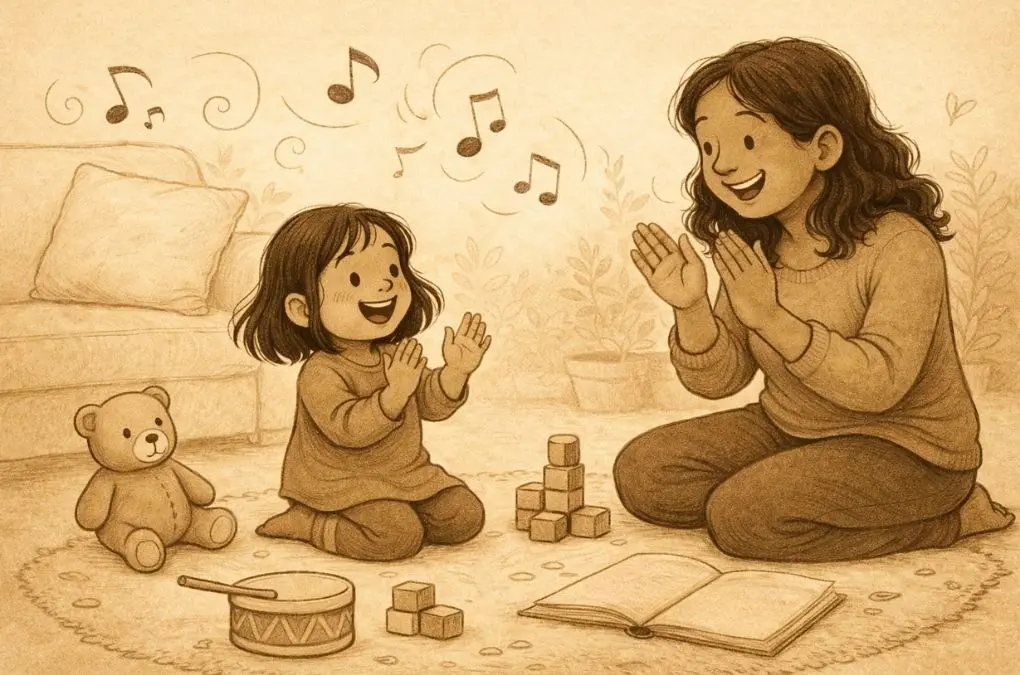
You might be:
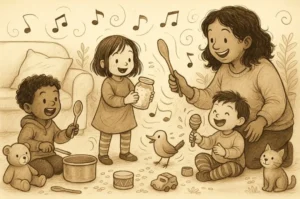
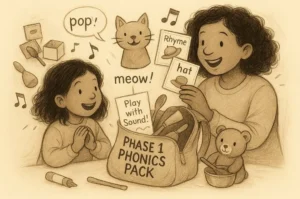
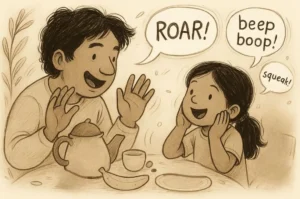
- singing rhymes
- doing robot talk
- clapping out words
- playing silly sound games
And part of you might think:
“Is this really helping them learn to read?”
Because it doesn’t look like what you imagine “learning” should look like.
But here’s what’s worth knowing.
In UK nurseries and early Reception, this is what phonics looks like at this stage.
Children are learning to:
- listen carefully
- notice sounds
- play with words
- build confidence with language
It just happens to look like play.
And actually, that’s the point.
Because when children enjoy it, they engage with it — and that’s what helps the learning stick.
“Other children seem ahead…”
This one often creeps in quietly.
Maybe another parent says:
“She’s already recognising letters.”
Or:
“He can read a few words now.”
And suddenly you’re wondering:
“Should my child be doing that too?”
The tricky thing is, early reading development doesn’t happen in a straight line.
Some children:
- show interest in letters early
- enjoy sound games for longer
- focus on speaking and listening first
All of those paths are normal.
Phase 1 is about building the foundation.
And that foundation doesn’t look the same for every child — or happen at the same speed.
“We haven’t done phonics today…”
This one often comes with a bit of guilt at the end of a busy day.
You’ve:
- rushed out the door
- juggled work or childcare
- sorted meals, laundry, bedtime
And then you think:
“We didn’t do any phonics today.”
But here’s the reality.
At this stage, phonics isn’t something that needs to sit on a to-do list.
It’s already happening in moments like:
- chatting in the car
- reading a bedtime story
- playing with toys
- singing songs together
Those small interactions are building the skills your child needs.
It doesn’t need to be a separate “task”.
“I don’t know if I’m doing it right”
This is a really common feeling — especially if phonics feels different from how you were taught.
You might wonder:
- Am I saying the sounds properly?
- Should I be correcting them?
- Should I be doing more structured activities?
So here’s a helpful way to think about it.
At this stage, it’s less about doing it perfectly…
and more about creating lots of chances for your child to:
- hear sounds
- play with words
- join in
- feel confident
If your child is engaged, curious, and enjoying those moments…
you’re doing something right.
A Different Way to Measure “Enough”
Instead of asking:
“Have we done phonics today?”
It can help to ask:
“Did we share any playful language moments today?”
That might have been:
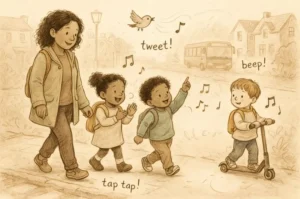
- laughing at a silly rhyme
- spotting sounds on a walk
- stretching out a word together
- reading a favourite book
That’s where Phase 1 phonics lives.
One Small Thing to Try This Week
Pick one moment in your day that already happens.
Not something new — just something that’s already there.
For example:
- getting dressed
- walking to nursery
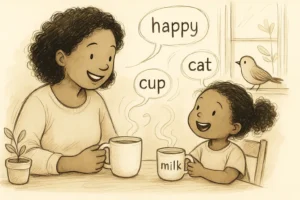
- sitting at the table
And add one small sound moment.
Nothing planned. Nothing perfect.
Just something like:
“Let’s find your /s/ /o/ /ck/.”
or
“What rhymes with cat?”
That’s enough.
A Gentle Reminder
It’s very easy to compare.
To other children.
To other parents.
To what you think you should be doing.
We’ve all struggled with this at some point.
But reading isn’t a race.
And Phase 1 phonics isn’t about getting ahead quickly.
It’s about helping your child:
- feel confident
- enjoy language
- build strong listening skills
at a pace that feels right for them.
Looking for Simple Ideas for this Week?
If you’d like a few easy activities that fit into everyday routines, you might enjoy our Phase 1 phonics activities guide.
It’s designed to work alongside real life — not add to your to-do list.
👉 Explore the Activities Guide
Coming Up Next Week
Next week we’ll look at what happens next:
How children move from Phase 1 phonics into learning letter sounds.
And how to support that transition in a way that still feels calm, playful, and pressure-free.
FAQs: Phase 1 Phonics Worries Parents Often Have
Am I doing enough phonics at home?
If your child is talking, listening, playing, and engaging with language, you are already doing enough for Phase 1 phonics.
Does phonics need to be done every day?
No. At this stage, phonics happens naturally through everyday interactions like talking, reading, and play.
Why does phonics just look like play?
Because in Phase 1, children are developing listening and sound awareness—and play is the most effective way for young children to learn these skills.
Should my child already know letters in Reception?
Some children do, some don’t. Phase 1 focuses on sound awareness first, and children progress at different speeds.
What if my child isn’t interested in phonics activities?
That’s normal. Keep it playful, follow their interests, and keep activities short and pressure-free.
How can I support phonics without formal lessons?
By talking, reading, singing, and playing with sounds during everyday routines. No formal teaching is needed at this stage.
A Final Thought
You don’t need to turn your home into a classroom.
You don’t need to do phonics “perfectly”.
And you don’t need to rush ahead.
If your child is laughing, listening, and playing with sounds…
they’re already on their way.
And you’re already helping.
If this post made phonics feel a little easier to understand… Subscribe to our blog series to get phonics activity ideas sent straight to your inbox.
If you found this post helpful, feel free to share it with another parent who might find it useful too.