What Are Phonics Phases?
A Simple Guide for UK Parents of Children in Nursery and Reception
The Big Picture — How the Early Phonics Phases Fit Together
Children usually move through these stages:
Phase 1 — Listening and playing with sounds
↓
Phase 2 — Learning the first letter sounds
↓
Phase 3 — Learning more letter sounds and reading simple words
Each phase builds on the one before it.
And children don’t move through them overnight — they grow into them step by step.
- An Overview
- Which Phase Is My Child In?
- A Rough Timeline for Nursery and Reception
- What Phonics Lessons Usually Look Like
- Phase 1 Phonics — Listening and Sound Awareness
- Phase 2 Phonics — First Letter Sounds and Early Reading
- Phase 3 Phonics — Building Confidence with Reading
- How Reading and Spelling Grow Together
- What about Tricky Words?
- What Helps Most at Home
- Common Worries About Phonics Phases
- What Comes Next After Phase 3
- Frequently Asked Questions
A Closer Look at Each Phonics Phase
What each stage usually looks like in real life, what children are learning, and how you can support them
Most UK schools (particularly in England) follow structured phonics programmes, many based on adapted fully structured versions of the 2007 Letters and Sounds* framework, usually divided into phases similar to the following:
- Phase 1 (Nursery): Listening skills, sound awareness, rhyme
- Phase 2–4 (Reception): Learning letters, blending sounds, simple words
- Phase 5 (Year 1): Alternative spellings (e.g., ai, ay, a-e)
*no longer in use as a standalone framework.
As UK schools use different phonics programmes, the names, order and timing of these stages/phases can vary.
Early listening and sound activities may often be described as “Phase 1 phonics”. That’s because Phase 1 was the name given to these early activities in the original Letters and Sounds framework. Unlike the phonics children do later, Phase 1 doesn’t mainly focus on matching written letters to sounds. Instead, it develops children’s listening, speaking and awareness of sounds through play.
Once I understood that the ‘phases’ are really just a way of describing how children move from listening to reading, phonics started to feel much less confusing.
The phases are not there to make things complicated. They simply help schools teach phonics in a clear order, and they help parents understand what usually comes next.
The most helpful way to think about them is this:
- Phase 1 builds listening and sound awareness
- Phase 2 introduces the first letter sounds and simple reading
- Phase 3 builds on that and helps children read with more confidence
Children do not move through these stages all at once, and they do not all move at the same speed.
Which phase is my child likely to be in?
This is one of the biggest questions parents may have.
These are only rough guides, but they can help you get your bearings.
Your child may be in Phase 1 if they:
- enjoy rhymes and songs
- notice sounds around them
- copy sounds and voices
- play sound games
- are not yet working much with letters
Your child may be in Phase 2 if they:
- know some letter sounds
- are beginning to recognise letters
- try to read simple words
- sound out words slowly
- are starting to write simple words
Your child may be in Phase 3 if they:
- know more sounds and letter combinations
- can read some short books
- blend more smoothly than before
- are starting to read short sentences
- are becoming more confident with reading
Children can show signs from more than one phase at the same time, especially during Reception.
That is very common.
A rough timeline for Nursery and Reception
This is only a rough guide.
Schools use different phonics programmes, so the names, order and timing of these stages can vary.
Most children in UK schools typically move through the phases something like this:
Nursery
Phase 1
Listening, rhyme, rhythm, sound play and oral blending
Reception — usually Autumn term
Phase 2
First letter sounds, simple blending, simple words
Reception — usually Spring and Summer terms
Phase 3
More sounds, more blending, short books, simple sentences
Children develop these skills at different rates, and there is often plenty of overlap between them.
What phonics lessons usually look like in school
This is another thing that can help parents feel more confident.
Phonics in school is not usually one big lesson. It is normally taught in short, regular sessions, often every day.
In Reception, children will usually:
- learn a small number of new sounds at a time
- revisit sounds they already know
- practise blending to read words
- practise segmenting to spell words
- read books matched to the sounds they have been taught
So if your child seems to be doing the same kinds of things repeatedly, that is usually exactly what should be happening.
Phonics works through repetition.
Phase 1
Nursery (and sometimes the start of Reception)
What this stage is really about:
Listening, sound awareness, rhyme, rhythm, and getting comfortable hearing and playing with sounds.
This is where the foundations for later reading are being built, even though it may not look much like reading yet.
Before children are asked to match sounds to letters, they’re encouraged to understand that:
- sounds are everywhere
- sounds can be copied
- sounds can be played with
- words are made up of sounds
That is why Phase 1 matters so much. It is the foundation that everything else builds on.
What Phase 1 often looks like at home
You might notice your child:
- joining in with nursery rhymes
- noticing noises outside
- making animal sounds
- laughing at silly sounds
- clapping words
- playing “I spy” with sounds
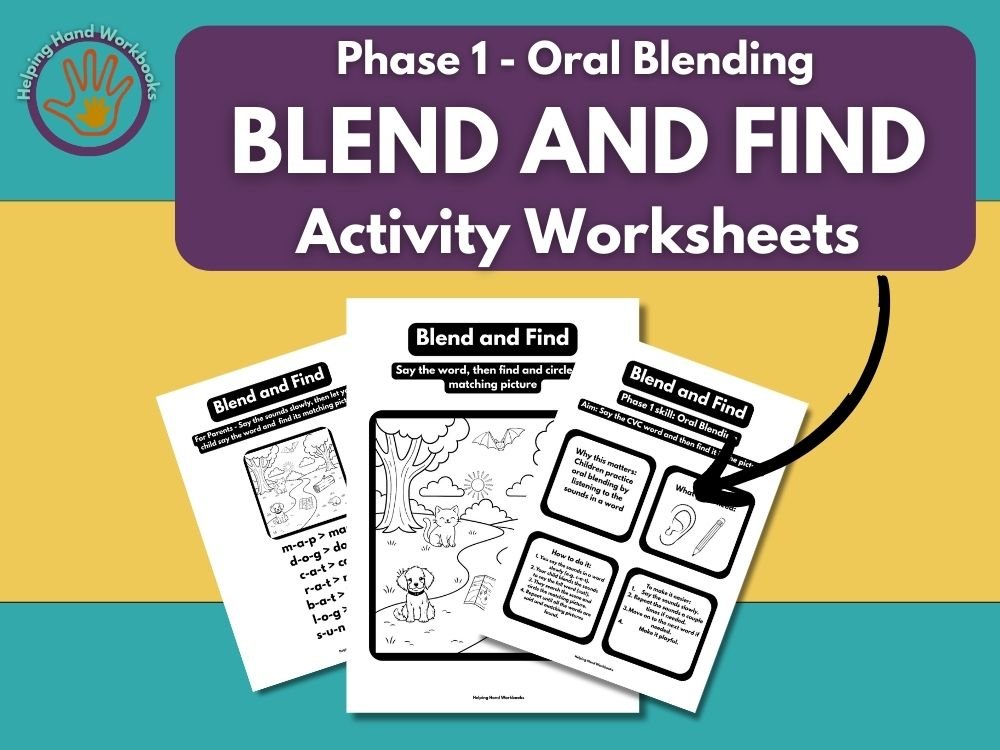
- blending spoken sounds like c-a-t into cat
For example, you might say:
“Can you find your b-a-g?”
And your child works out the word:
“bag”
That is oral blending, and it is a really important early phonics skill.
What children are learning in Phase 1
At this stage, children are learning to:
- listen carefully
- hear differences between sounds
- copy and play with sounds
- enjoy rhyme and rhythm
- hear sounds in words
- begin blending spoken sounds
This phase is less about “teaching phonics” in the way many of us parents often imagine, and more about preparing children to make sense of phonics later.
Reading and Spelling in Phase 1
There is usually no formal reading or spelling yet.
But children are learning the skills that make both possible.
They are learning to:
- hear sounds
- recognise patterns
- play with language
- remember sounds
You may notice:
- scribbles
- pretend writing
- drawing shapes
- talking about sounds
This is the very beginning of spelling development
What helps most at home in Phase 1
The best support is usually:
- playful
- short
- repeated often
- part of everyday life
Things like these help a lot:
- listening walks
- rhyming games
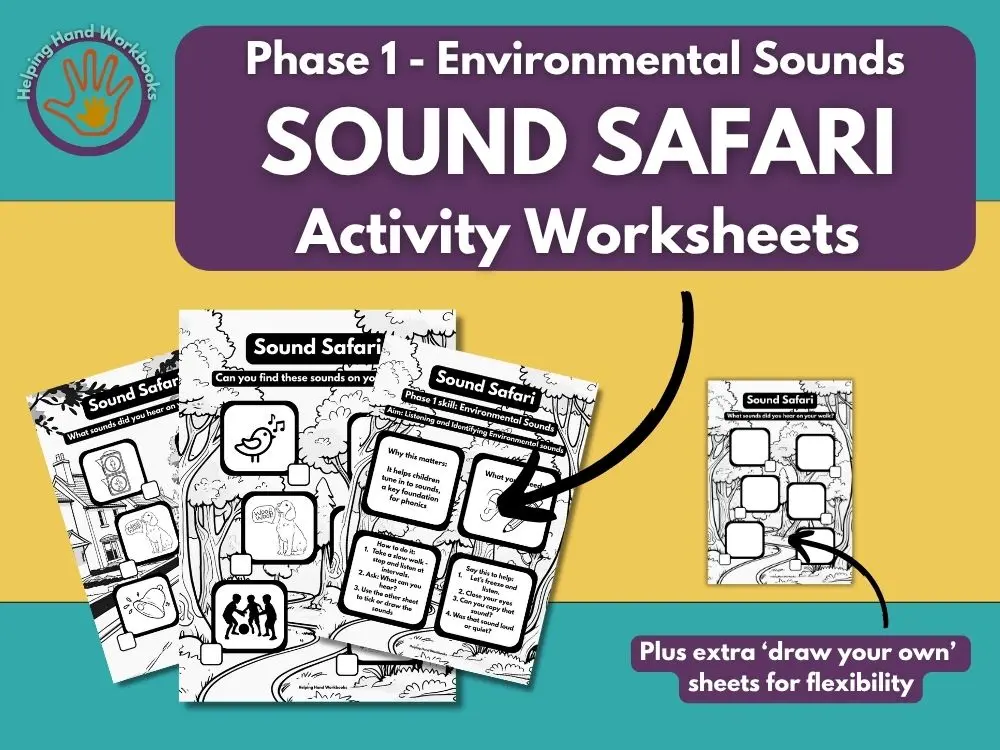
- silly sound play
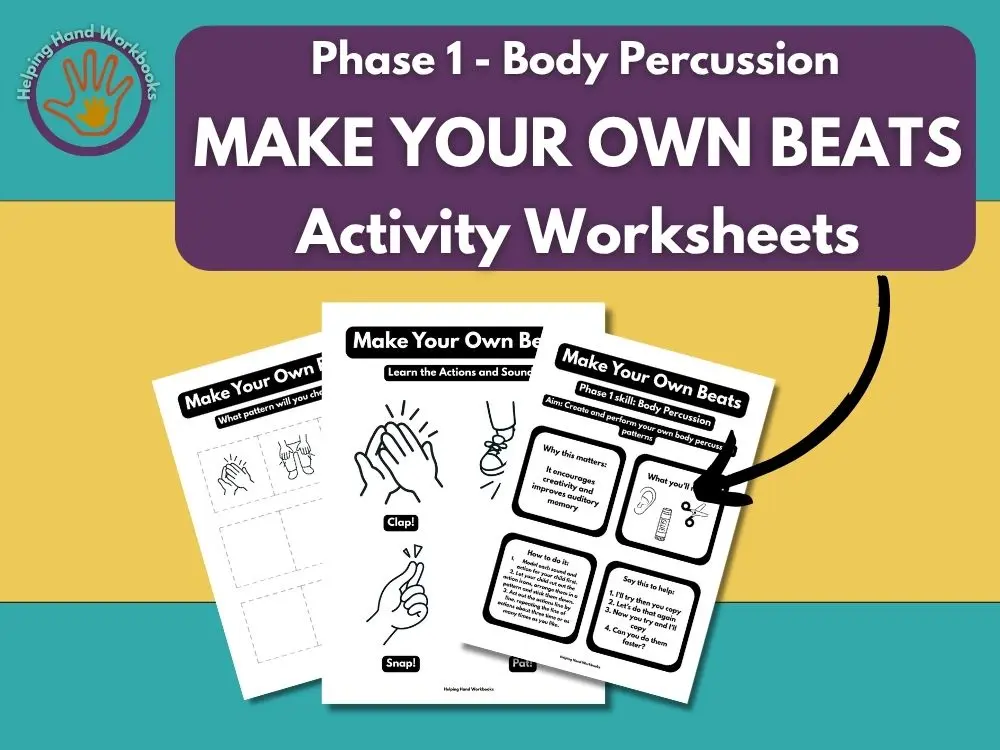
- body percussion
- sound hunts
- oral blending in everyday moments
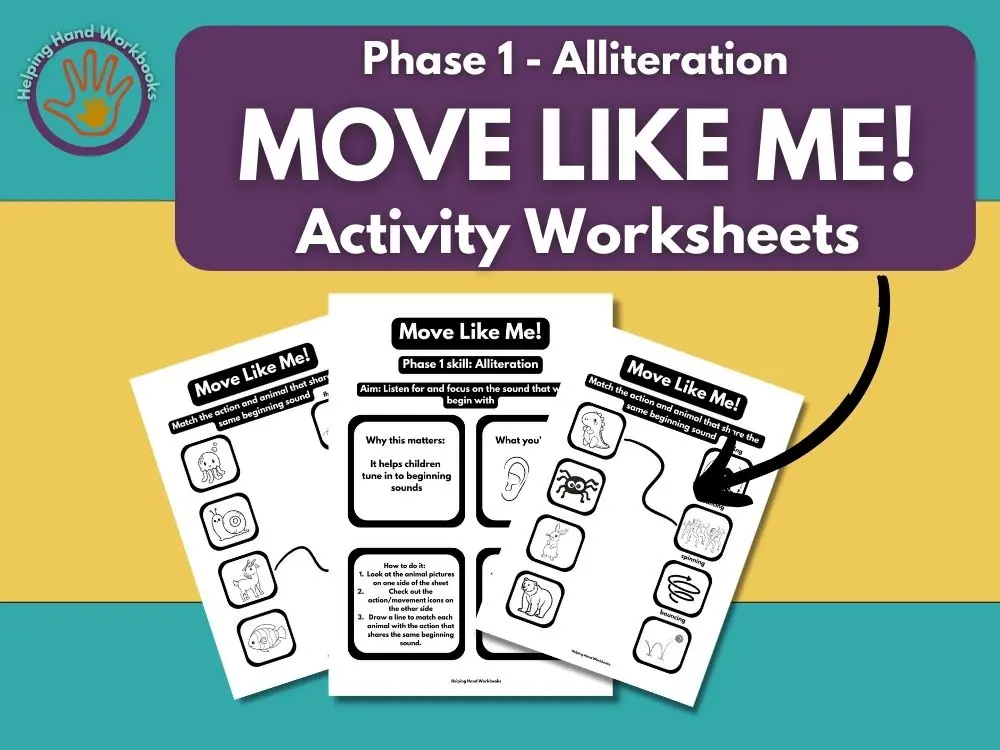
You can find practical ideas here:
Explore our Phase 1 phonics activities
A common worry in Phase 1
“My child isn’t reading yet.”
That is completely normal.
Phase 1 is not about reading words from the page yet. It is about building the sound awareness that makes reading possible later.
A simple reminder for Phase 1
Reading starts with listening.
Phase 2
Reception — usually the first term or so
What this stage is really about:
Learning the first letter sounds and beginning to use them for reading and spelling
This is often the stage where phonics starts to feel more visible to parents.
Children begin learning that:
- letters represent sounds
- those sounds can be blended to read words
- those sounds can also be heard and written when spelling words
This is where children begin to move from listening to actual early reading.
What Phase 2 often looks like at home
You might notice your child:
- learning a few new sounds each week
- pointing out letters in books or signs
- sounding out simple words slowly
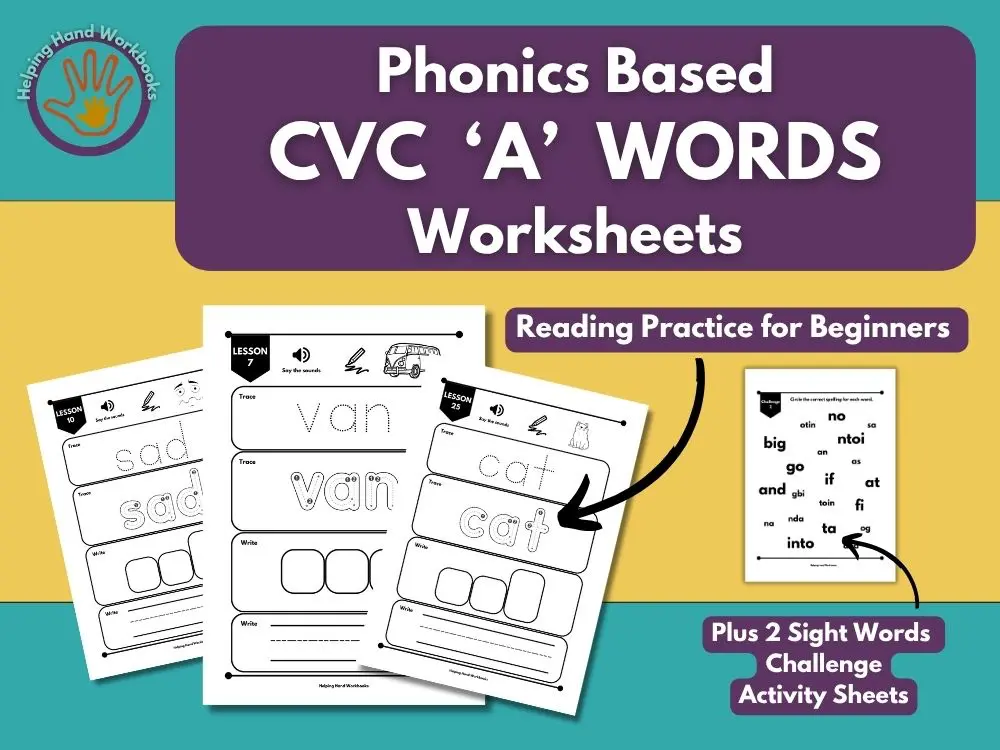
- trying to read words like cat, dog, sit
- writing simple words using the sounds they know
For example, you might show:
c a t
And your child might say:
/c/ /a/ /t/
cat
It often sounds slow and choppy at first.
That is normal.
What children are learning in Phase 2
At this stage, children are learning to:
- recognise some letters
- say the correct sound for each letter
- blend sounds together to read words
- segment sounds to spell words
- write simple words
This is the stage where many children first start to feel like “real readers,” even though everything still takes quite a lot of effort.
What spelling looks like in Phase 2
Spelling usually starts here too.
Children are not expected to spell perfectly.
Instead, they are learning to hear the sounds in a word and write the sounds they can hear.
So you might see things like:
- kat for cat
- dg for dog
- sn for sun
This is not failure.
It is a sign that your child is beginning to use phonics for spelling.
At this stage, spelling is about:
- hearing sounds
- writing sounds
- building confidence
Not getting everything correct.
What tricky words / common exception words look like in Phase 2
This is usually the stage where schools begin introducing a small number of words that don’t fully follow the phonics patterns children know so far.
These are often called:
- tricky words
- common exception words
Examples often include:
- the
- to
- go
- no
- I
- into
The important thing to know is that schools do not usually expect children to memorise huge lists all at once.
These words are taught gradually and revisited often.
Children are encouraged to:
- look at the letters
- say the sounds they know
- notice the unusual part
- practise the word regularly
What helps most at home in Phase 2
The most helpful support is usually:
- practising sounds calmly
- reading simple words together
- giving your child time to blend
- not jumping in too quickly 😉👀
- keeping sessions short
If you want help with saying the sounds clearly, this page may help:
If blending is the part that feels hardest, this page is often the next useful step:
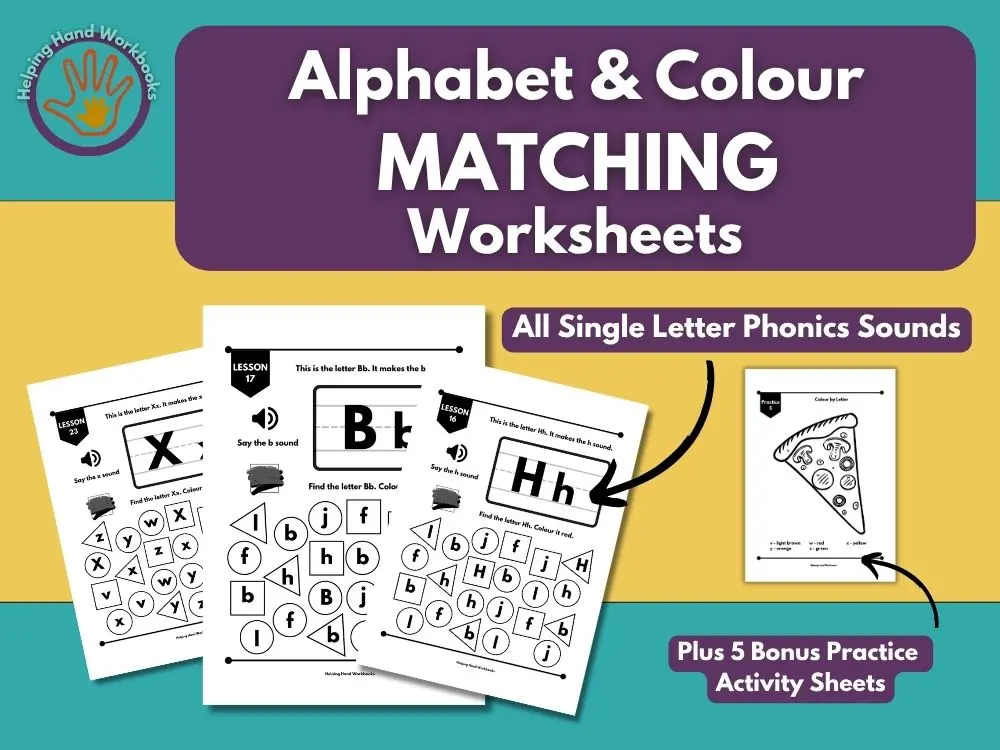
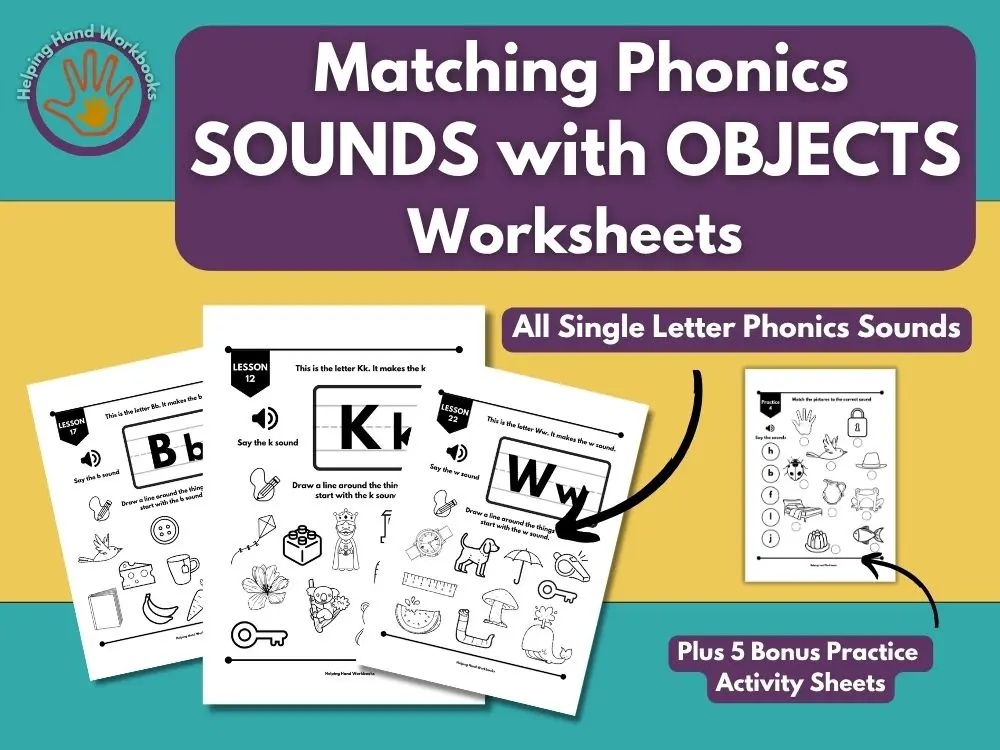
If your child enjoys practising sounds and simple words, short, focused activities can really help build confidence.
You can find printable activities to support this stage here:
Explore our free phonics worksheets
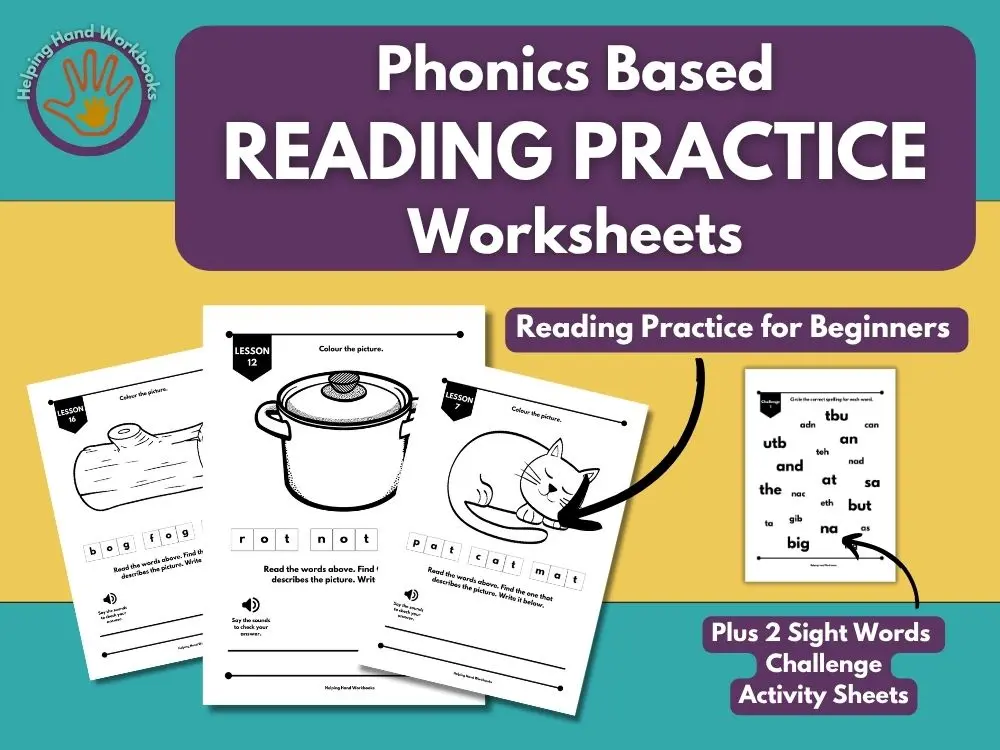
If you would like a simple, structured way to practise the first phonics sounds at home, we’ve created a workbook that gently introduces the first phonics sounds, blending, and early writing through small, manageable steps.
You can learn more about it here:
Learn to Read — First Phonics Workbook
A common worry in Phase 2
“My child knows some sounds, but still can’t read smoothly.”
That is very common.
Knowing the sounds and using them to read are two different steps.
Children often need lots of practice before blending starts to feel more natural.
Slow reading is normal.
Speed comes later.
A simple reminder for Phase 2
Knowing the sounds comes before reading words confidently.
Phase 3
Reception — usually later in the year
What this stage is really about:
Learning more sounds, reading more smoothly, and starting to read short books and sentences with growing confidence
By this stage, children are building on everything they learned in Phase 2.
They are not starting from scratch — they are extending what they already know.
This often means:
- more sounds
- more blending
- more words
- more reading practice
- more confidence
What Phase 3 often looks like at home
You might notice your child:
- recognising more letter combinations
- reading words more smoothly than before
- reading short sentences
- reading simple books
- trying to write short sentences
For example, your child might read:
The cat is on the mat.
That may still be slow at times, but it is a big step forward.
What children are learning in Phase 3
At this stage, children are learning to:
- recognise more sounds and letter patterns
- blend longer or more complex words
- read short sentences
- build reading fluency
- continue spelling using the sounds they know
This is often the point where reading begins to feel a little more natural, even though children still need plenty of support and practice.
What spelling looks like in Phase 3
Spelling usually becomes a little more complete in this phase because children know more sounds.
You might see your child writing:
- ship
- rain
- the cat ran
Again, it does not need to be perfect.
The important thing is that they are using what they know about sounds to have a go.
What tricky words / common exception words look like in Phase 3
More tricky/common exception words are introduced in this phase.
Examples often include:
- he
- she
- we
- me
- be
- was
- you
- are
- all
- they
- my
- her
These words begin to appear more often in early reading books, so recognising them helps reading become smoother.
At this stage, children are still usually:
- seeing these words regularly
- reading them in books
- practising them in small amounts
- revisiting them often
What helps most at home in Phase 3
The most helpful support is:
- regular reading
- short sessions
- repetition
- encouragement
- patience
Short, simple, well-matched books that match your child’s current level can help to:
- apply their phonics
- practise blending
- build confidence
You can explore suitable starting points here:
A common worry in Phase 3
“My child is still making mistakes.”
That is normal.
Children often continue making mistakes while they are learning to read more independently.
The aim is not perfection straight away.
The aim is growing confidence and familiarity.
A simple reminder for Phase 3
Confidence grows through practice.
How reading and spelling fit together
This is something many parents are never really told clearly.
In phonics, children are usually learning to read and spell at the same time.
The difference is:
Reading
Children blend sounds together to read a word
Example:
/c/ /a/ /t/ → cat
Spelling
Children segment a word into sounds so they can write it
Example:
cat → /c/ /a/ /t/
So when your child is learning phonics, they are not just learning to read words — they are also learning how words are built.
That is why spelling attempts often look unusual at first.
They are learning the sound structure of words.
What about tricky words?
Because this is such a common source of confusion, it helps to keep one simple idea in mind:
Most tricky words are not completely tricky.
Children are usually taught to:
- say the sounds they know
- notice the part that is unusual
- practise the word in reading and writing
So if your child struggles with tricky words, that does not mean they are doing phonics wrong. It usually just means they are still getting used to words that do not fully match the patterns they know so far.
What helps most at home across all phases
If I had to boil it all down, the most helpful things parents can do are:
- keep practice short
- repeat things often
- read together regularly
- praise effort
- avoid pressure
Even:
5 minutes a day
can make a real difference.
You do not need to recreate school at home.
You are simply helping your child feel more confident with what they are already learning there.
If your child likes having something to work on at home, simple printable activities can provide extra practice without needing lots of preparation.
You can browse our:
Free phonics worksheets for Nursery and Reception here
Common worries parents have about phonics phases
“My child is in a different phase from another child.”
That is very normal.
Children move through phonics at different speeds.
“My child is still blending slowly.”
Slow blending is normal at first.
Speed comes later.
“My child forgets sounds.”
This is part of learning.
Repetition and time help.
“My child spells words strangely.”
That is often a sign they are trying to use phonics.
Early spelling is not meant to be perfect.
“I’m worried I’m not doing enough at home.”
Short, regular support is enough.
You do not need to do long lessons.
What comes next after Phase 3?
After Reception, children usually continue building on these foundations in later phonics phases.
At that point, the focus tends to move further towards:
- more complex/alternative spelling patterns
- reading fluency
- spelling accuracy
- growing independence
But the most important foundations are usually laid in Nursery and Reception.
That is why these early phases matter so much.
When to come back to this page
This page is designed to be something you return to when:
- your child is in Nursery
- your child begins learning sounds
- blending starts
- reading starts to become more visible
- spelling begins
- you want to understand what comes next
- you need a bit of reassurance that things are normal
- you are looking for simple activities or structured practice to support learning at home
A final note for parents
Children do not move neatly from one phase to the next overnight.
They often overlap.
They revisit skills.
They need time.
That is normal.
What matters most is not moving quickly.
It is building confidence, step by step.
Frequently Asked Questions
What are phonics phases?
Phonics phases are stages that describe how children move from listening to sounds to reading words.
They help schools teach phonics step by step.
Do children move through the phases at the same speed?
No.
Children move at different speeds.
Some move quickly.
Some need more time.
Both are normal.
Should my child be reading in Phase 1?
No.
Phase 1 focuses on listening and sound awareness.
Reading usually begins in Phase 2.
What if my child struggles with blending?
This is very common.
Blending takes time and practice.
You can find simple support here:
Visit our phonics blending guide
Do I need to teach phonics at home?
No — schools provide structured phonics teaching.
At home, your role is most simply to support and reinforce what your child is learning.
Short, calm practice and encouragement are usually the most helpful things you can provide.
If this guide has been helpful, feel free to share it with another parent who might find it useful too.