What Is Oral Blending (And Why Is It So Important Before Letter Sounds?) – Week 15
Hello phonics friends! Grace here 😊
Let me guess something.
You took on my suggestion from Week 11 and you tried robot talk.
What do you mean it was actually their teachers suggestion?! 😂.
So recently…
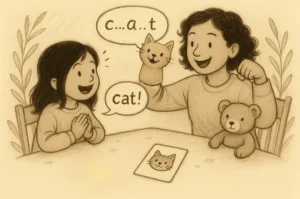
You slowly stretched out a word like: “/c/ /a/ /t/…”
And your child either:
A) Shouted “CAT!” proudly
or
B) Looked at you with that facial expression that clearly means ‘huh?’
Don’t worry – both reactions are normal.
This week, we’re talking about oral blending — one of the most important (and sometimes most misunderstood) early phonics skills.
And if blending has felt tricky in your house, you’re definitely not alone.
- Greetings from Grace
- What is oral blending?
- Why oral blending matters before reading
- Why blending can feel difficult at first
- Signs your child is starting to blend
- Everyday moments for oral blending practice
- Two tweaks that may help blending click
- Week 16’s Preview
- FAQs about oral blending
So… What Is Oral Blending?
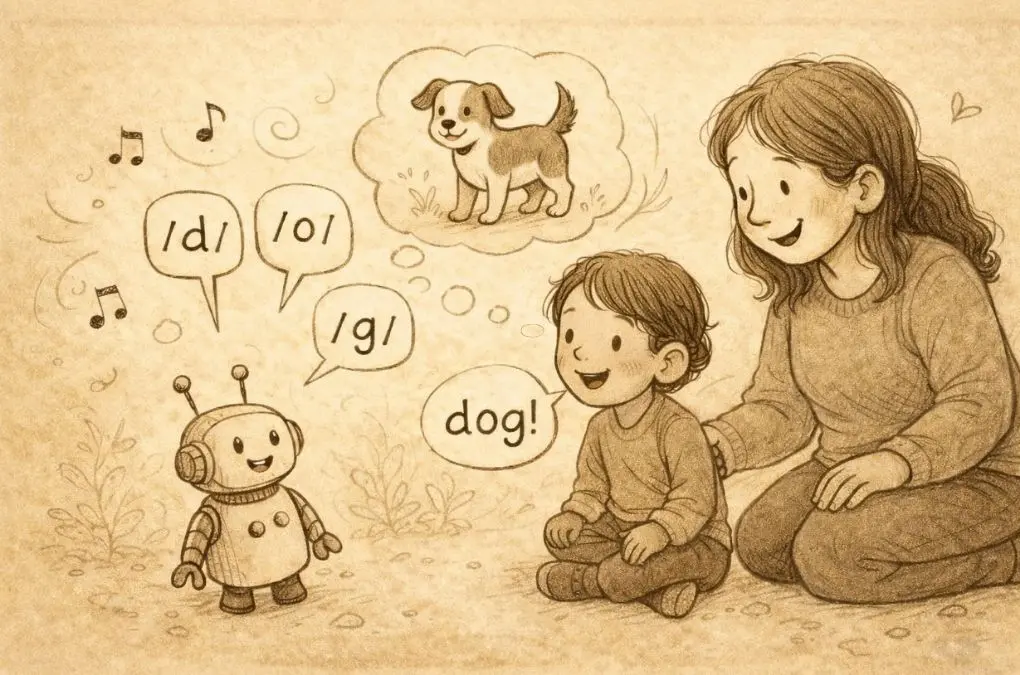
Oral blending is when a child hears separate spoken sounds and puts them together to make a word.
You say:
“/d/ /o/ /g/”
They say:
“dog!”
No letters. No flashcards. Just ears and thinking.
That’s oral blending.
It’s one of the final aspects of Phase 1 phonics — and it’s the bridge into reading. The skill that eventually allows children to turn letter sounds into words when they start reading.
Why Oral Blending Matters So Much
When children start Phase 2, they’ll see words like: cat
To read it, they need to:
- Recognise each letter sound
- Blend those sounds together
- Say the word smoothly
If they’ve already practised blending spoken sounds, the letter version feels much easier.
Without oral blending, reading can feel like guessing.
With it, reading feels like decoding.
What This Looks Like in Real Life
Imagine this moment at home.
You say:
“/m/ /a/ /p/”
Your child says:
“map!”
If during Phase 2 they later see the word map written down.
They already know how the sounds fit together — they just need to match them to the letters.
That’s why oral blending is such an important stepping stone.
Why Blending Can Feel Hard at First
Blending is actually quite a big job for a young brain.
Your child has to:
• hold the sounds in their memory
• listen carefully
• merge the sounds together
• say the word smoothly
For a three or four year old, that’s a lot to juggle.
So if your child struggles with blending at first, it doesn’t mean anything is wrong.
It simply means their brain is still learning how the sounds fit together.
Many children practise for weeks or months… and then suddenly it clicks.
Signs Your Child Is Starting to Blend
You might notice your child:
✔ guessing the word before you finish saying it
✔ attempting robot talk themselves
✔ correcting themselves (“Oh! Cat!”)
✔ start blending without being prompted
Even partial attempts are progress.
A Common Parent Worry
“What if my child can’t blend yet?”
It’s important to remember:
Some children:
• Master blending quickly
• Need many weeks or months of practice
• Suddenly “click” one day
Keep it playful.
Keep it short.
Lots of repetition.
Blending progress grows with practice.
Everyday Blending Moments Parents Can Try
🧦 Getting Dressed in the Morning
When helping your child get ready:
“Can you find your /s/ /o/ /ck/?”
or
“Let’s put on your /h/ /a/ /t/”
Clothing items are great because children can see and touch them.
🧸 Toy Time
While playing with toys:
“Where’s the /d/ /o/ /g/?”
or
“Can you pass me the /c/ /ar/?”
Using toys keeps it playful and low-pressure.
🍎 Snack Time
While offering food:
“Can you get me a /c/ /u/ /p/?”
or
“Let’s get the /b/ /u/ /n/.”
Snack time works well because your child already wants the item.
📖 Story time
When reading a picture book, point to a familiar object in the picture and say:
“Look! A /c/ /a/ /t/.”
Children often enjoy guessing the word before you finish saying the sounds.
Opportunities for blending often appear in small, everyday moments like above.
For example:
On the way to nursery or reception you might say:
“Let’s open the /d/ /oo/ /r/.”
or
“Where is your /c/ /oa/ /t/?”
These moments happen almost every day, so repetition happens naturally.
Your child hears the sounds and works out the word.
That’s oral blending.
And these tiny moments build the skill surprisingly quickly.
If you’re wondering whether the sounds need to be absolutely perfect, don’t worry.
With oral blending the goal is simply helping your child hear how sounds come together to make a word.
At this stage we’re simply stretching sounds so children can hear them clearly — the exact phonics spelling patterns come later when letter sounds are introduced in Phase 2.
If you want to learn the letter sounds and their exact spelling patterns (which will become useful in Phase 2), please see my parent-friendly phonics letter sounds guide.
Two Small Tweaks That Can Help Blending Click
1️⃣ Keep the sounds fairly close together.
If the gaps are very long (like “/c/……/a/……/t/”) children may sometimes hear them as three separate sounds.
Blending requires children to hold the sounds in their memory long enough to combine them.
If the gaps are too long, the first sound may disappear before the last one arrives.
Say each sound quite close together with a smooth rhythm so the connection stays clear.
This should make it easier for your child to merge them.
2️⃣ Start with very familiar words your child already knows well.
cat
dog
cup
bed
sun
hat
If your child already knows the word, their brain will likely have an easier time guessing and blending it.
Want More Phase 1 Phonics Activity Ideas?
If you’re looking for more simple games that build listening and sound awareness skills, you might enjoy our Phase 1 phonics activities guide.
It includes easy step by step activities you can try at home today.
👉 Explore the Activities Guide
FAQs About Oral Blending
What is oral blending in phonics?
Oral blending is when children hear individual sounds and combine them to form a word, such as hearing “/c/ /a/ /t/” and saying “cat”.
Why is oral blending important before reading?
Oral blending helps children understand how sounds form words before they start reading letters. This makes early reading much easier.
At what age do children learn oral blending?
Many children begin developing blending skills between ages 3 and 5 during Phase 1 phonics.
Why does my child struggle with blending sounds?
Blending requires memory, listening and sound awareness. Many children need weeks or months of playful practice before it clicks.
How can I help my child practise blending at home?
Simple everyday games like robot talk, snack time guessing, and toy requests are excellent ways to practise oral blending naturally.
What happens after oral blending?
Oral blending helps children hear how sounds work in words. The next step is learning the letter sounds, and when those sounds are secure, children can begin blending written sounds to read. Our phonics blending guide explains this stage and how you can support your child alongside what they are learning at school.
Coming Up Next Week
Next week we’re tackling a question that often pops up in parenting conversations, WhatsApp groups, and quiet moments at the end of a busy day:
We’ll look at some of the most common Phase 1 worries — and how to approach phonics in a way that feels calm, realistic, and joyful for both you and your child.
A Final Thought
Oral blending is like building a little sound puzzle in your child’s mind.
At first, the pieces may not quite fit.
Then one day…
They do.
Keep going.
If this post made phonics feel a little easier to understand… Subscribe to our weekly blog series to get phonics activity ideas sent straight to your inbox.
If you found this post helpful, feel free to share it with another parent who might find it useful too.